23rd Eggisrieder Seminar for Music and Transcendence
On 8 September 2024
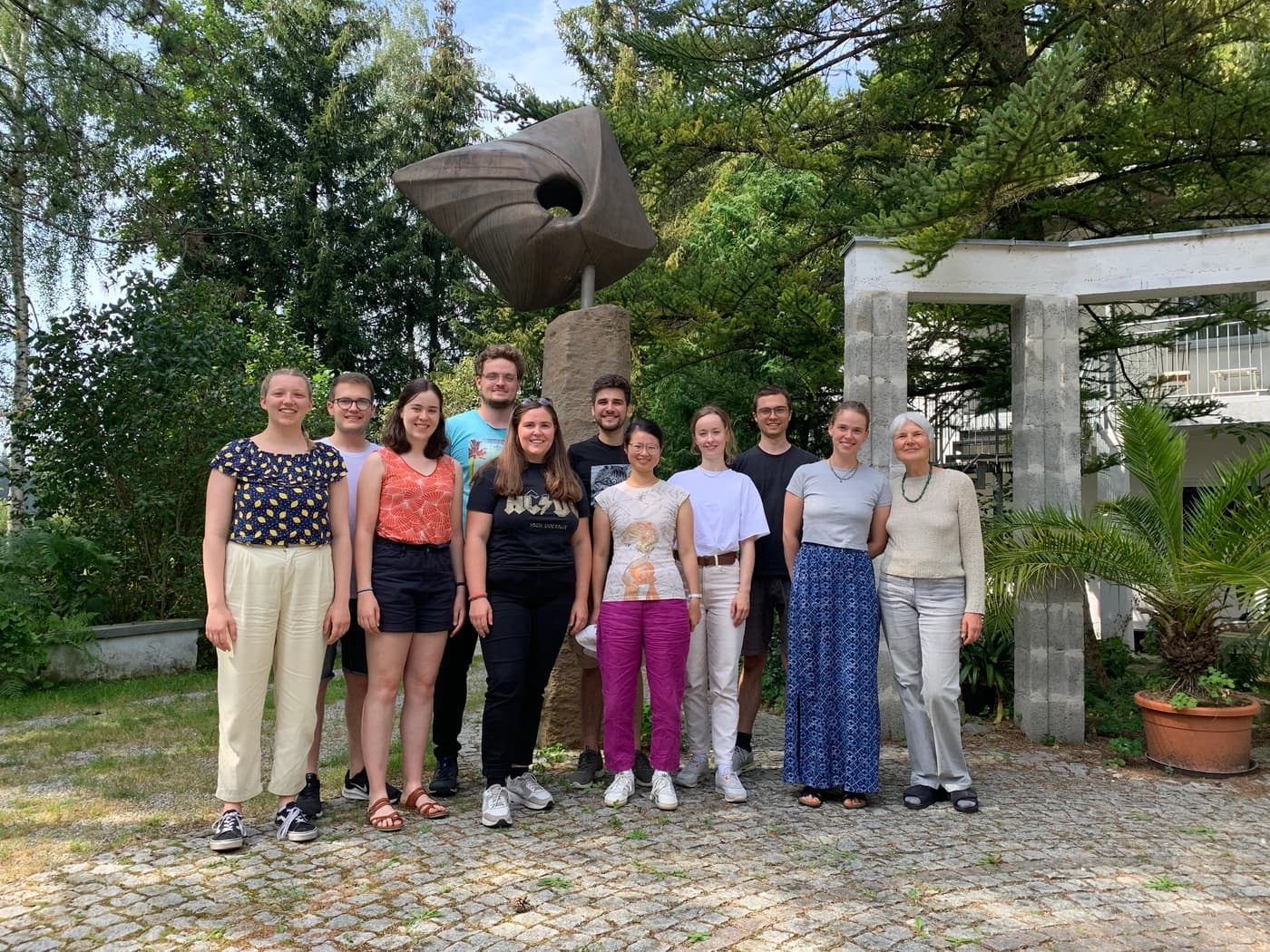
This year's anniversary programme of the Erich Schickling Stiftung came to a close with the long-established "Eggisrieder Seminar for Music and Transcendence". For the 23rd time, music students and professional musicians came together to reflect on topics of music history, on the intellectual-historical and cross-arts backgrounds of the music being heard, and for thematically framed performances. This year the seminar was devoted to the theme "Jewish Roots of Music".

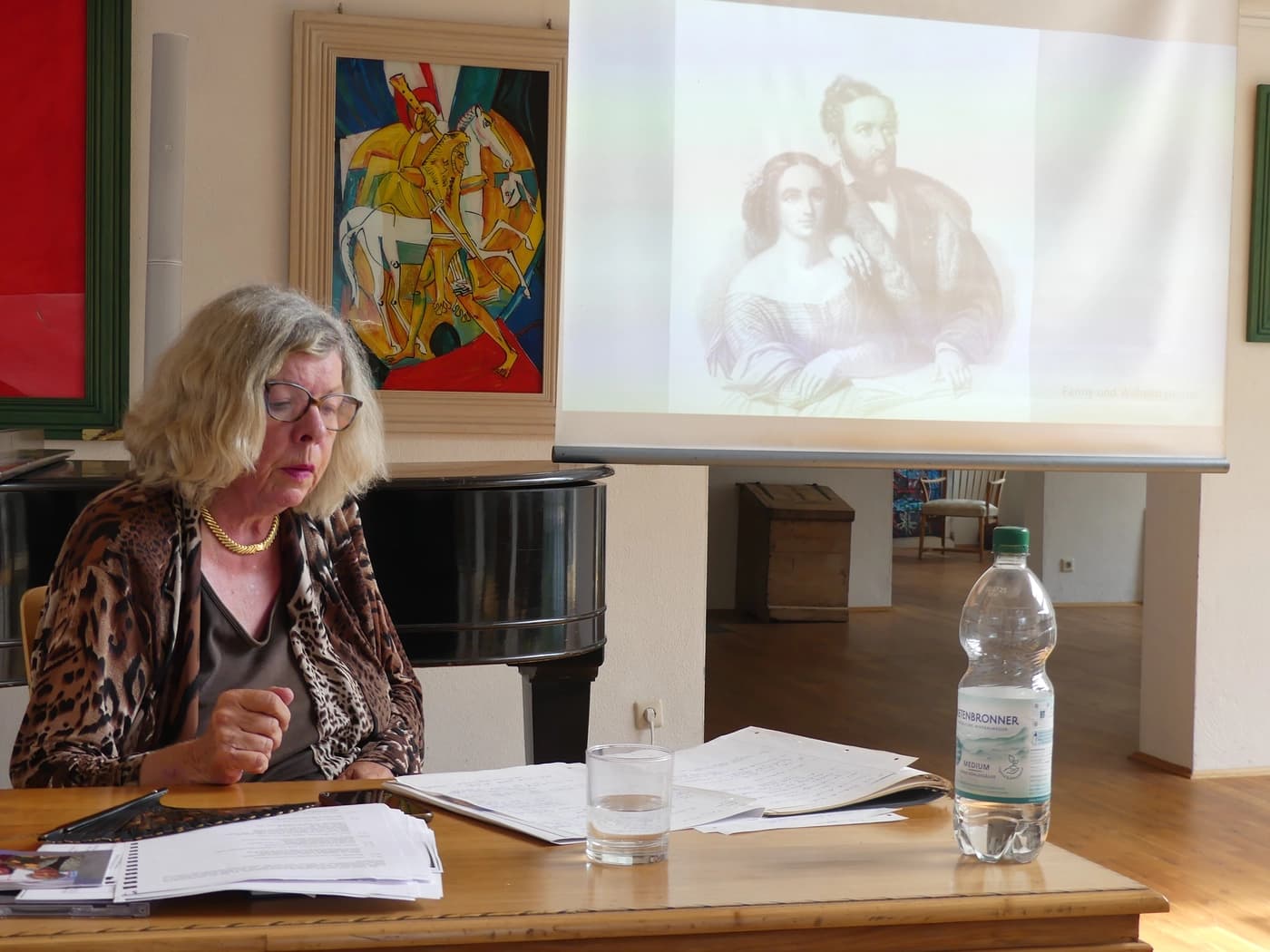
Not only in the oratorio works of the siblings Felix and Fanny Mendelssohn, but also in the striking family biography, the full significance and tragic tension of Jewish life in the 19th century became clear. The talks turned first to the roots of the family history: to the great Jewish philosopher Moses Mendelssohn, who came to Berlin at the age of 14 - following his pursuit of education alone - and whom the poet G.E. Lessing later chose as the model for his "Nathan the Wise".
In Felix Mendelssohn Bartholdy's oratorio "Elijah", Daniel Reinhard, (MA studies in choral conducting at the HfMDK Frankfurt) placed at the centre the developments of the oratorio genre in the 19th century as well as the musically dramatic and gripping treatment of the Old Testament material surrounding the figure of the prophet. This was followed by the talk by Pr. Dr. Nanny Drechsler (HfM Karlsruhe) on Fanny Hensel née Mendelssohn and her undeservedly little-known "Oratorio after Images from the Bible". As in the works of her brother Felix, her choice of texts and her musical references to J.S. Bach likewise convey a deep attachment to both the Jewish and the Christian religion.
In the seminar's master concert, the Karlsruhe pianist and university lecturer Manfred Kratzer performed two highly virtuosic piano sonatas by Jewish composers of the 20th century, by Ernest Bloch and Carol Rathaus. Kratzer's introductions already showed the underlying connections between avant-garde harmony and the origins of Jewish melody. In between, the mezzo-soprano Helena Donie impressed with finely nuanced mood pictures in the "Biblical Songs" op. 99 by Antonin Dvorak.
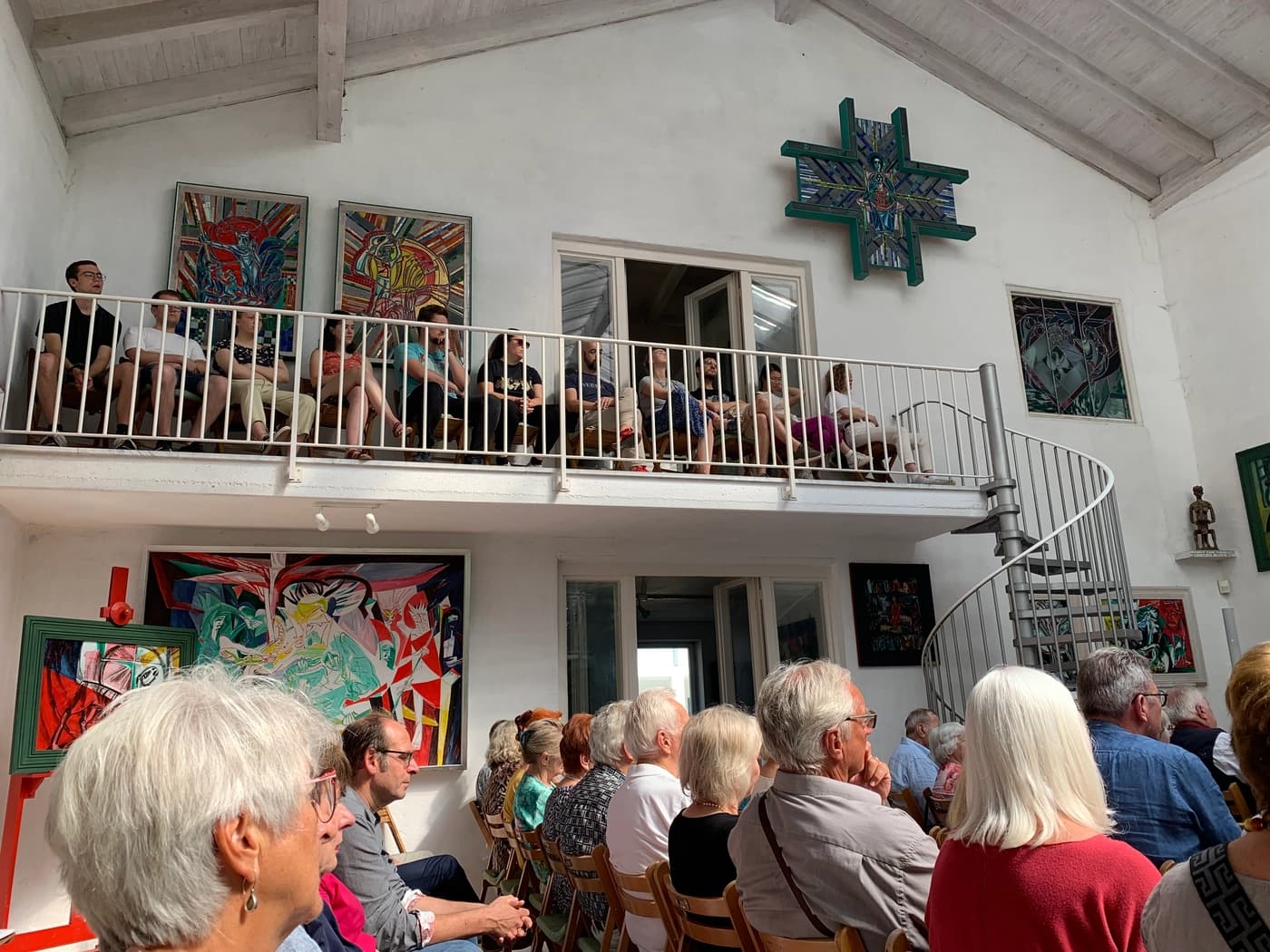
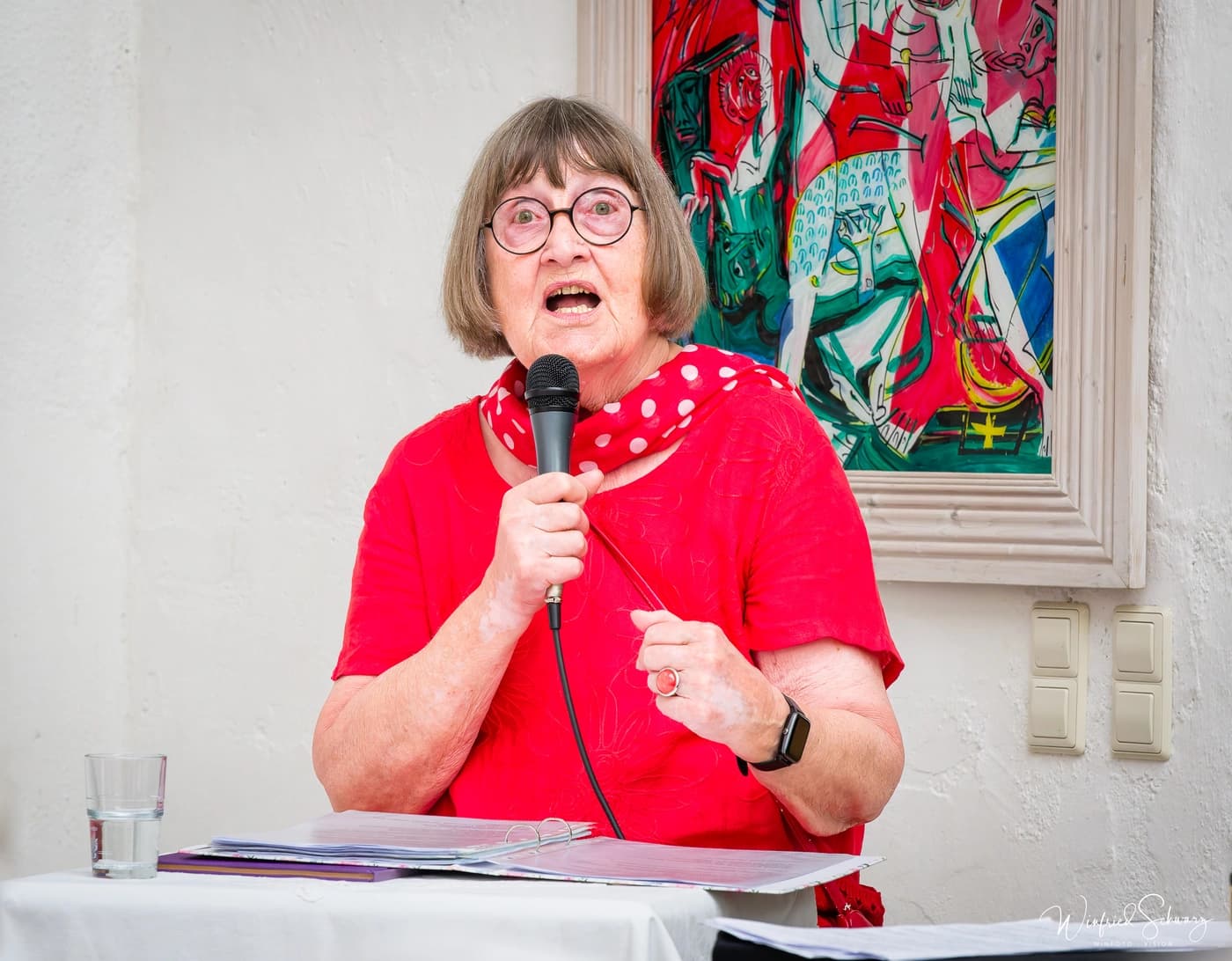
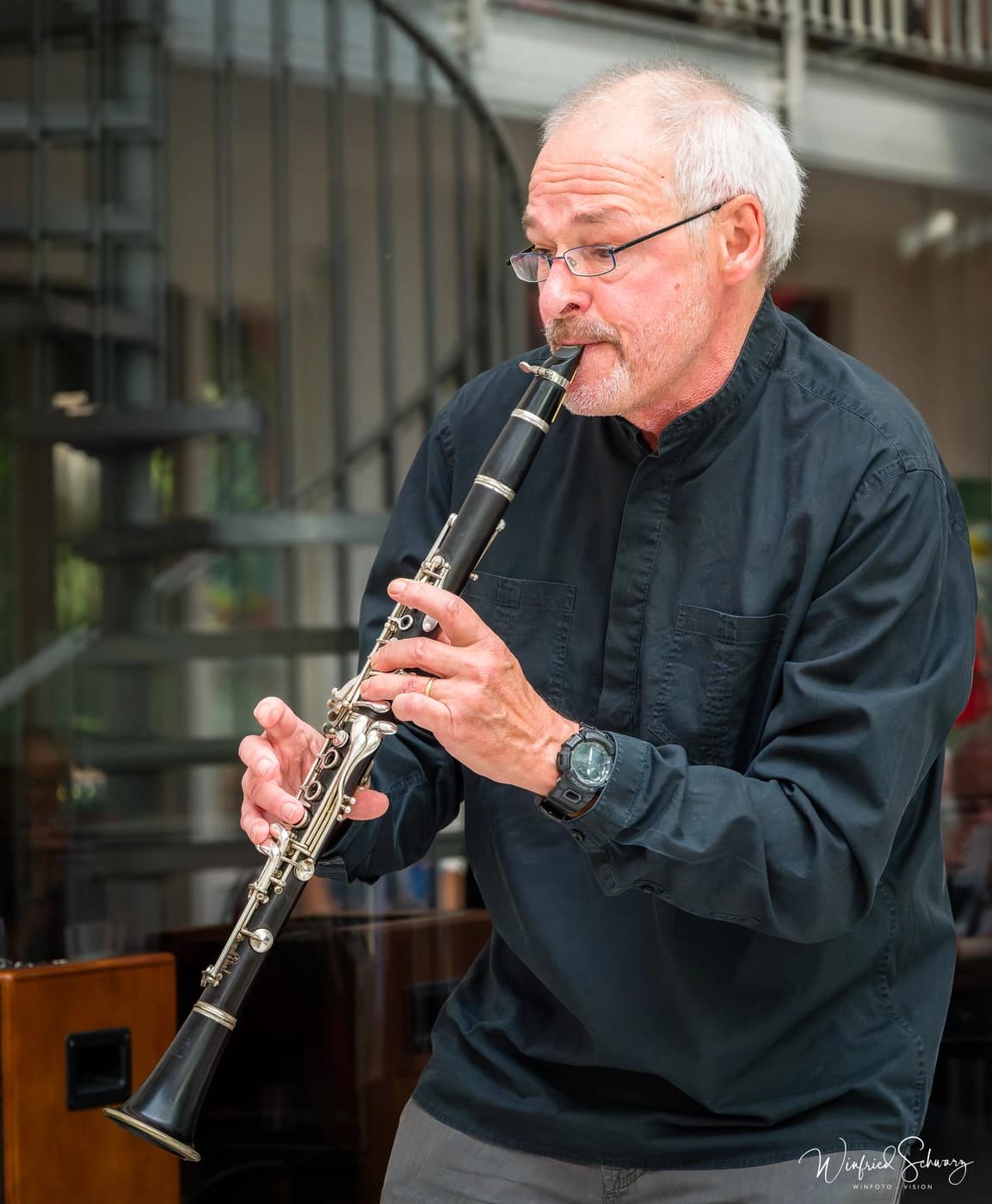
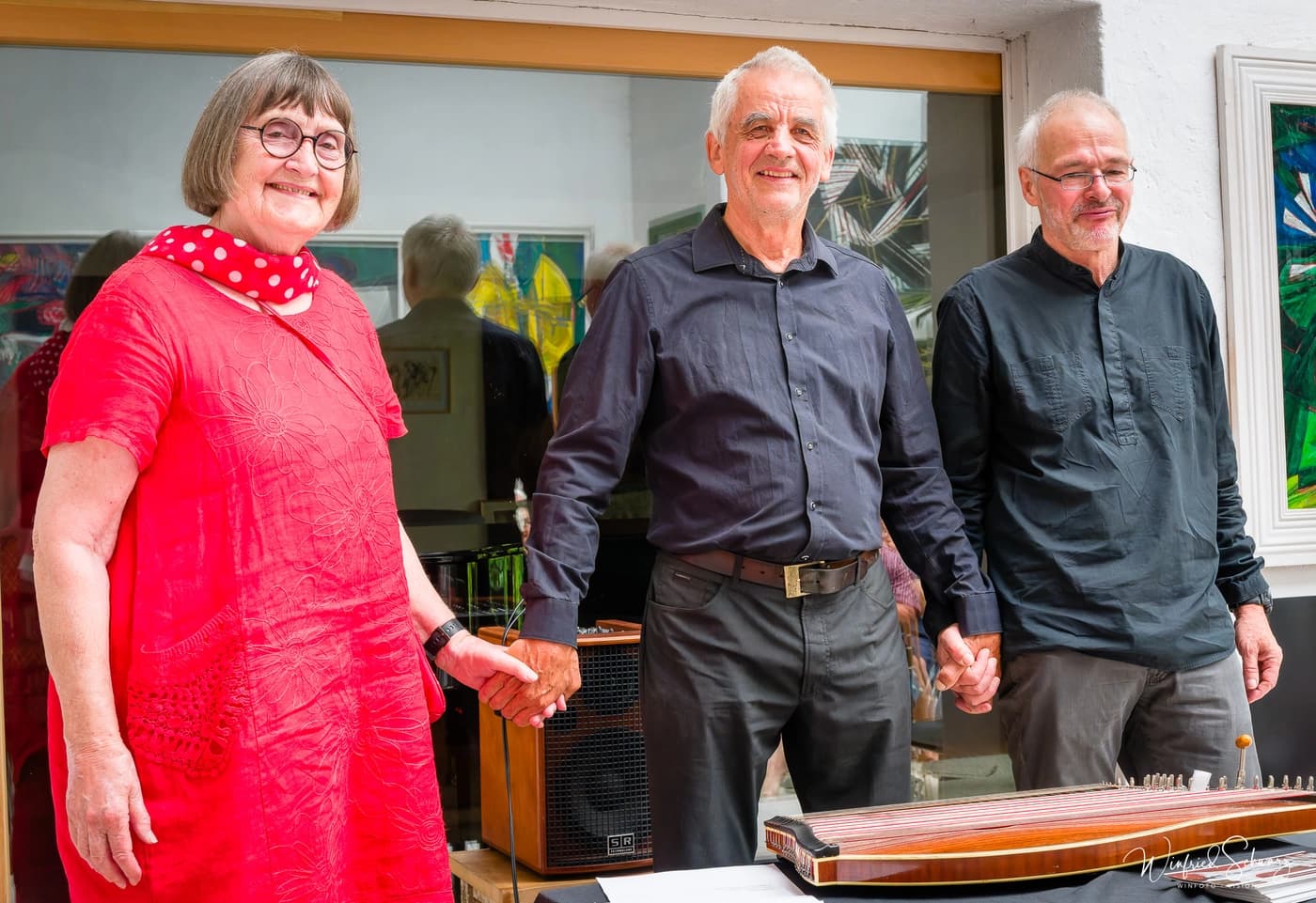
In the packed hall of the Erich Schickling Stiftung, the seminar culminated in the klezmer matinee by the musicians Josef Bichlmair (zither) and Günter Schwanghart (clarinet), set against poetically free texts by Christine Silla-Kiefer (Bad Wurzach) about female figures of the Old Testament. What the three of them presented was a fascinating scene ranging between zest for life, tragedy, the search for happiness and trust in God. The spark of the words and the sounds leapt across and let listeners and performers alike sense what transcendence in music might be about. At least for those moments.